Treatment

What does HIV
treatment look like?
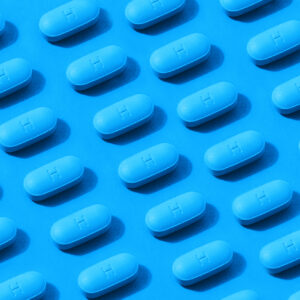
The goal of treatment is to reduce the amount of HIV in your body. Today, many treatments can reduce HIV to the point that it’s undetectable.

When HIV is undetectable, that means it’s also untransmittable — meaning you can’t give it to your partner during intimate contact, including sexual intercourse.

You can do your part to end HIV by getting on and staying on one of the proven treatments. The newest HIV treatments have very few side effects and are easy to take.

HIV stigma and misinformation exist.

We’re here to help separate the facts from the fiction and do our part to fight the spread of stigma.

Stigma refers to negative attitudes and stereotypes against people living with HIV or at risk of getting HIV. Stigma often leads to discrimination at work, in school, at home, and even in places like hospitals and doctors’ offices.

This discrimination can have devastating effects. People facing stigma may stop working, learning, socializing, and getting the healthcare that they need.

Stopping stigma means getting educated about the facts. This allows you to become a supportive, thoughtful voice for yourself and your community.

Commonly Asked Questions

HIV is a virus that is carried in semen, vaginal fluids, anal mucus, blood, and breast milk. It is most commonly transmitted through vaginal or anal sex, or by sharing needles or syringes with someone who has HIV.

HIV is NOT spread through saliva or sweat, or by coughing, sneezing, holding hands, hugging someone, or sitting on a toilet seat.

HIV treatment involves taking one or more medications prescribed by a health care professional. When sticking to their medication regimen, most people can get HIV under control within 6 months.

Treatment with HIV medications is called antiretroviral therapy (ART). There are many different types of ART medicines. Any ART medicines prescribed by your health care provider have been thoroughly tested and approved by the Food and Drug Administration (FDA).

Most people who are in treatment for HIV with ART medicines are able to go about their normal lives. Some medications used to treat HIV are pills that can be taken at home, others are given as injections at your doctor’s office.

Some people on ART medicines experience short-term side effects like nausea, fatigue, and trouble sleeping.

If you experience long-lasting side effects, be sure to speak to your health care provider about them but continue taking your medications as prescribed. Stopping them, even for a short period of time, can cause HIV levels to spike up.

PrEP* is a medication used to prevent HIV and is highly effective at preventing sexual transmission when taken as prescribed. It can be a great option for partners of people living with HIV, people who have sex and don’t know their partner’s HIV status, and people who inject drugs. PrEP is available at several local clinics.

PEP* is a 28-day course of medication that is used when someone has had a possible exposure to HIV within the past 72 hours. PEP is highly effective at preventing HIV. It works best when started as soon as possible after HIV exposure. PEP can generally be prescribed at urgent care centers and emergency rooms but may also be prescribed at certain clinics.

ART* is a medication taken by people living with HIV. It helps to lower the amount of HIV in the body. With ART, people living with HIV can lower the amount of HIV in their bodies to the point that it is considered “undetectable”. When this happens, a person cannot pass HIV to their sexual partners. This is known as “Undetectable = Untransmittable” or “U=U”.

*PrEP – Pre Exposure Prophylaxis
*PEP – Post Exposure Prophylaxis
*ART – Antiretroviral Treatment

Long-acting injectable medications, or LAIs, are HIV treatment or prevention shots that stay active in the body for weeks or months, sometimes removing the need for daily pills. If you’re interested in long-acting injectables, talking to your doctor can help to see if these medications are right for you.

Have more questions?

Check out the HIV Basics guide from the Centers for Disease Control and Prevention (CDC).

Ending the HIV epidemic starts with U!

What to know about PrEP

PrEP helps you stay healthy

PrEP stands for pre-exposure prophylaxis. It refers to medicines that can reduce your risk of getting HIV from sex or using injected drugs.

PrEP can reduce your HIV risk by 99%

PrEP is for EVERYONE! When taken correctly, PrEP (pre-exposure prophylaxis) medications can reduce your risk of getting HIV from sex by 99%.